Subfloor Installation in Wilmington, NC
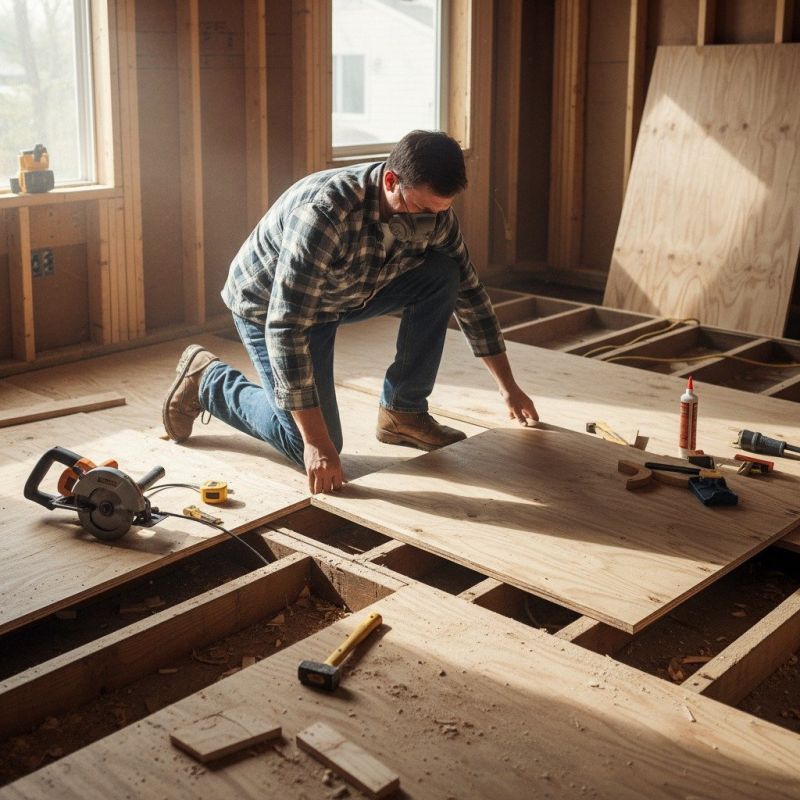
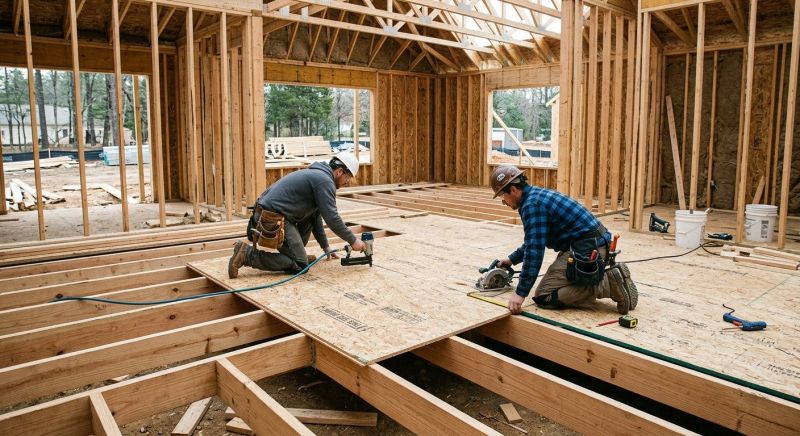
Subfloor installation services involve preparing and installing the foundational layer beneath flooring materials such as hardwood, laminate, tile, or carpet. This process ensures a stable, level, and durable surface that supports the finished floor and helps prevent issues like squeaking, shifting, or unevenness. Projects typically include replacing damaged or worn subfloors, upgrading existing substructures, or preparing new construction sites for flooring installation. Homeowners often seek this service when remodeling, repairing water damage, or addressing uneven floors to improve the overall stability and longevity of their flooring.
Before requesting subfloor installation, property owners should consider the current condition of their existing substructure, including identifying signs of damage, mold, or rot. Understanding the type of flooring to be installed and the scope of work needed can help clarify project requirements. It’s also important to evaluate the underlying support system, such as joists or beams, to determine if repairs or reinforcement are necessary. Gathering information about the property's layout and any specific needs can facilitate a smoother installation process and ensure the new subfloor meets the desired standards for safety and performance.
Many property owners in Wilmington, NC look into Subfloor Installation for repairs, replacements, upgrades, and appearance-related improvements.
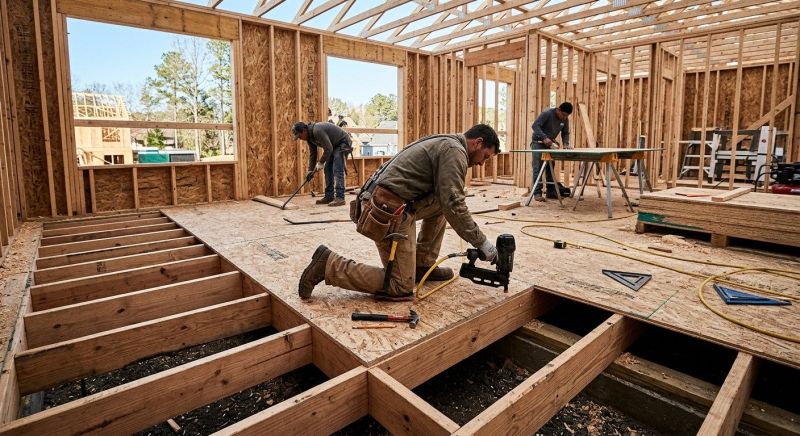
Subfloor Repair And Replacement
Restoring or replacing damaged subfloors to ensure a stable foundation for your flooring.
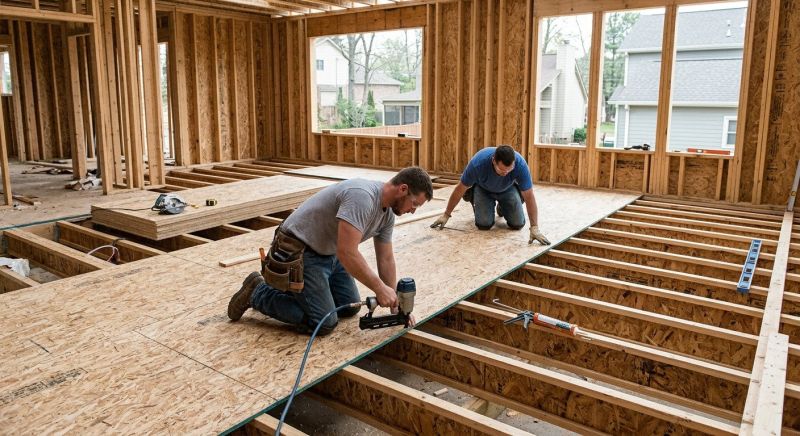
Subfloor Leveling And Preparation
Preparing and leveling existing subfloors to create a smooth surface for new flooring installation.
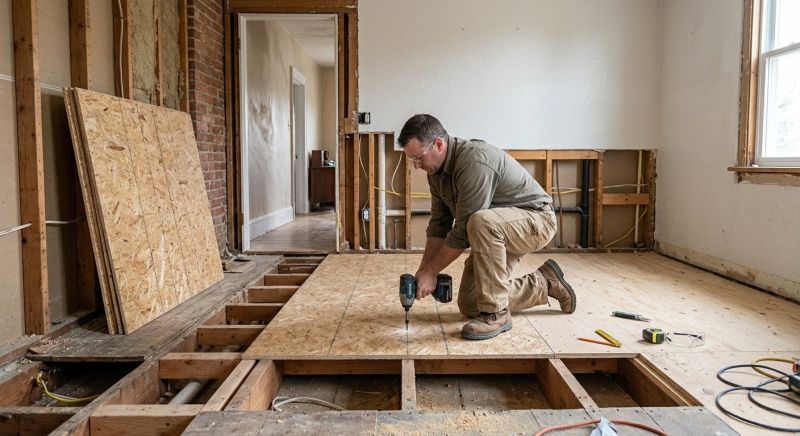
Subfloor Material Options
Choosing the right subfloor materials to support various flooring types in wilmington homes and businesses.
Subfloor Installation in Wilmington, NC
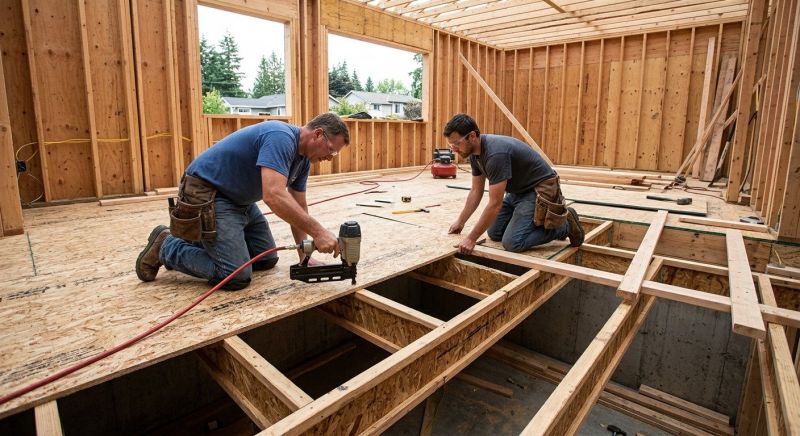
Subfloor installation services involve preparing and installing the foundational layer beneath flooring materials such as hardwood, laminate, tile, or carpet. This process ensures a stable, level, and durable surface that supports the finished floor and helps prevent issues like squeaking, shifting, or unevenness. Projects typically include replacing damaged or worn subfloors, upgrading existing substructures, or preparing new construction sites for flooring installation. Homeowners often seek this service when remodeling, repairing water damage, or addressing uneven floors to improve the overall stability and longevity of their flooring.
Before requesting subfloor installation, property owners should consider the current condition of their existing substructure, including identifying signs of damage, mold, or rot. Understanding the type of flooring to be installed and the scope of work needed can help clarify project requirements. It’s also important to evaluate the underlying support system, such as joists or beams, to determine if repairs or reinforcement are necessary. Gathering information about the property's layout and any specific needs can facilitate a smoother installation process and ensure the new subfloor meets the desired standards for safety and performance.
Many property owners in Wilmington, NC look into Subfloor Installation for repairs, replacements, upgrades, and appearance-related improvements.
Common Subfloor Installation Jobs
Subfloor Replacement - removes damaged or rotted subflooring to prepare for new flooring installation.
Subfloor Repair - addresses issues like squeaks, uneven surfaces, or water damage to restore stability.
Subfloor Leveling - ensures a flat and even surface for the proper installation of flooring materials.
Moisture Barrier Installation - adds barriers to prevent moisture from seeping into the subfloor and causing damage.
Subfloor Inspection - evaluates existing subfloor conditions to identify necessary repairs or replacements.
Subfloor Reinforcement - strengthens weak or compromised subfloor sections for increased durability.
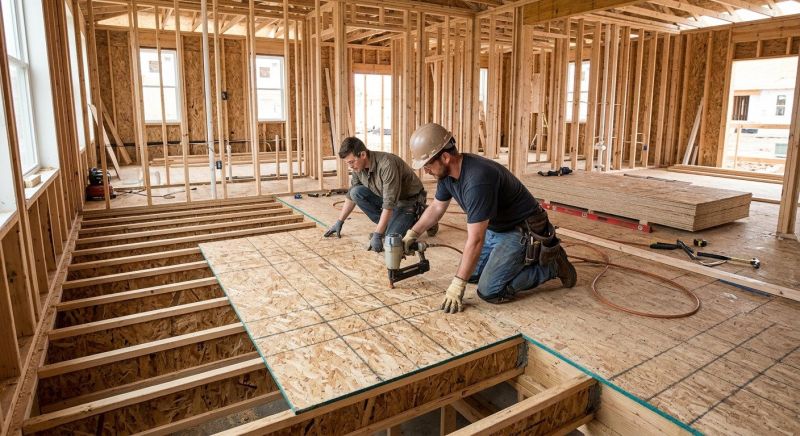
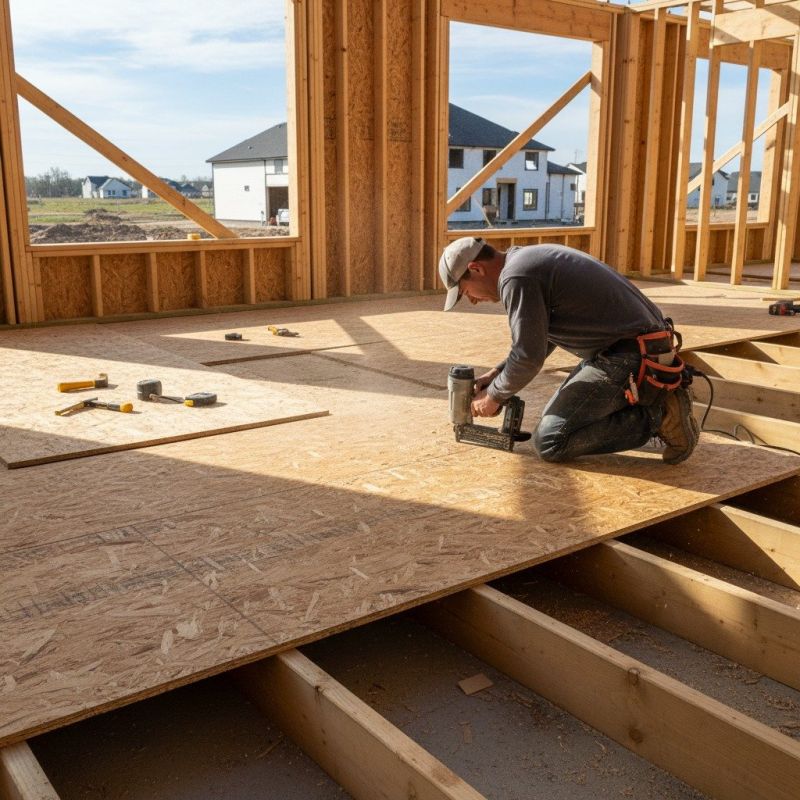
Subfloor Installation Questions
What is subfloor installation? Subfloor installation involves placing a supportive base layer beneath the finished flooring to ensure stability and durability in Wilmington homes.
When is subfloor replacement needed? Replacement is typically necessary if the existing subfloor is damaged, rotting, or has suffered water or structural issues.
What types of subfloor materials are common? Plywood, oriented strand board (OSB), and concrete are common materials used for subflooring in residential projects.
How does subfloor installation benefit a property? Proper subfloor installation provides a level, stable foundation that extends the lifespan of the finished flooring and improves overall safety.
Request Subfloor Installation in Wilmington, NC
Use the quote form on this page to share the basics of your project and request more information for the type of work you need.